
Pest problems can quickly spiral out of control, posing risks to health, property, and overall comfort. Professional exterminators are trained to address a wide range of pest infestations, offering tailored solutions to keep your home or business pest-free. Below are eight of the most common pest problems exterminators can help resolve effectively.
1. Termites: Silent Destroyers
Termites are notorious for causing extensive structural damage by feeding on wood and cellulose-based materials.
- Mud tubes near foundations
- Hollow-sounding timber
- Discarded wings near windowsills
Exterminators like https://www.stuartpestcontrol.net use methods such as liquid termiticides, baiting systems, and wood treatments to eliminate termites and prevent future infestations.
2. Rodents: Mice and Rats
Rodents can contaminate food supplies, chew on electrical wiring, and spread diseases like hantavirus.
- Droppings in cabinets or drawers
- Gnaw marks on surfaces
- Scratching noises at night
Professionals deploy traps, rodenticides, and exclusion techniques to ensure your space remains rodent-free.
3. Bed Bugs: Persistent Invaders
Bed bugs are small but resilient pests that hide in cracks and crevices of furniture and mattresses.
- Luggage after travel
- Second-hand furniture purchases
Heat treatments coupled with targeted insecticides are commonly used by pest control experts to eradicate these pests.
4. Ants: Colonizing Pests
Ant infestations can range from nuisance species like sugar ants to destructive carpenter ants.
- Seal entry points such as windows and door frames
- Store food in airtight containers
Exterminators may recommend baiting solutions or perimeter treatments based on the ant species identified.
Table: Common Ant Species and Treatment Options
| Ant Type | Behavior | Treatment Method |
| Sugar Ants | Attracted to sugary foods | Bait stations |
| Carpenter Ants | Bore into wood | Insecticidal sprays |
| Fire Ants | Aggressive stingers | Nest-targeted treatment |
5. Roaches: Disease Carriers
Cockroaches thrive in warm, humid environments where food crumbs or clutter accumulate.
- Health Risks: Cockroaches carry bacteria such as Salmonella that can cause food poisoning.
Integrated pest management (IPM) strategies including sanitation efforts and chemical controls are highly effective against roaches.
6. Spiders: Creepy Crawlers
While most spiders pose minimal risks to humans, species like black widows or brown recluses may require professional handling due to their venomous bites.
- Control Measures: Regular cleaning of corners and eliminating other pests (spider prey) significantly reduces infestations.
Summary Chart: Spider Reduction Tips
| Action | Effectiveness |
| Remove webs regularly | High |
| Declutter storage areas | Moderate |
| Use pesticide sprays | High |
7. Wasps & Bees: Stinging Hazards
Wasps build nests outdoors or inside wall voids, while bees often swarm during warmer months.
Professional exterminators utilize protective equipment to safely remove nests without harming beneficial bee populations when possible.
8. Wildlife Intrusions
From raccoons rummaging through garbage bins to squirrels nesting inside attics, wildlife incursions require humane yet effective removal strategies including trapping or exclusion techniques combined with repairs of entry points.
Professional extermination services not only eliminate current problems but provide long-term prevention plans tailored for each unique situation, ensuring peace of mind for homeowners and business owners alike.
Effective Stuart Pest Control Tips for Identifying and Eliminating Termites, Rodents, and Other Pests in Your Home
Dealing with pests in your home can be both stressful and challenging. Whether it’s termites silently damaging your property, rodents contaminating food supplies, or other unwelcome intruders, early identification and effective elimination are crucial. Here’s a detailed guide on identifying and removing some of the most common pests homeowners face.
Termites
Termites can be devastating to wooden structures as they feed on cellulose found in wood and paper materials. Look for the following signs of infestation:
– Mud tubes: Small mud tunnels along walls or foundations used by termites for protection.
– Hollow wood: Tap on wooden surfaces; a hollow sound may indicate termite activity inside.
– Discarded wings: Winged termites (swarmer’s) shed their wings near entry points like windows or doors.
– Frass (termite droppings): Tiny wood-colored pellets found near infested areas.
Rodents (Mice and Rats)
Rodents carry diseases and can chew through electrical wires, causing significant damage. Signs of rodent infestation include:
– Droppings: Dark pellet-shaped droppings near food storage areas or along floorboards. – Gnaw marks: Chewed wiring, furniture edges, or food packaging. – Nesting materials: Shredded paper, fabric, or insulation gathered in hidden corners. – Noises: Scratching sounds in walls or attics during nighttime when rodents are most active.
Other Pests
Additional pests like ants, cockroaches, and bed bugs may invade your home. Key identification clues include: | Pest | Identifying Signs | |—————-|—————————————————| | Ants | Trails leading to food sources; small soil mounds near entry points. | | Cockroaches | Musty odor; droppings resembling coffee grounds; smear marks along walls. | | Bed bugs | Rust-colored stains on sheets; itchy bites in clusters; live insects hiding around mattress seams.|
Effective Pest Removal Stuart FL: Keep Your Home Pest-Free
1. Address Entry Points
Seal cracks around windows, doors, pipes, and vents using caulk or weather stripping to prevent pest access.
2. Maintain Cleanliness
A clean environment discourages pest activity:
– Store food in airtight containers.
– Dispose of garbage regularly.
– Vacuum floors frequently to remove crumbs.
3. Use Baits and Traps
For rodents:
– Place snap traps or live traps along walls where rodent activity is observed.
For ants and cockroaches:
– Use commercial bait stations that attract pests and eliminate colonies at their source.
4. Deploy Natural Remedies
If you prefer eco-friendly methods:
– Sprinkle diatomaceous earth around infested areas for crawling insects.
– Use peppermint oil-soaked cotton balls as a deterrent for mice.
5. Call Professional Exterminators
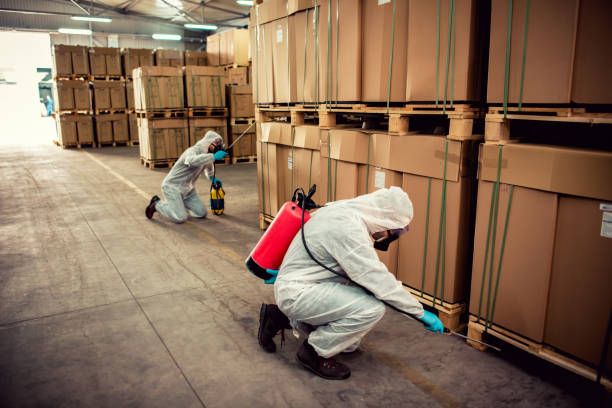
Severe infestations often require professional intervention:
– They use specialized tools such as heat treatments for bed bugs or fumigation techniques for termites.
– Licensed professionals also provide long-term prevention solutions tailored to your home’s needs.
Preventing Future Infestations
After addressing an infestation, preventive measures are key:
- Regularly inspect your home’s foundation for cracks or gaps that pests might exploit. 2. Keep firewood stored far from the house to deter termites.
- Trim tree branches near roofs to reduce rodent pathways into attics.
- Ensure proper drainage around your property to avoid water accumulation that attracts insects.
By identifying issues early on and using targeted strategies for elimination, you can protect your home from damage while ensuring a safe living environment free of unwanted pests.
Comprehensive Guide to Getting Rid of Spiders, Roaches, Bed Bugs, and More
Pests like spiders, roaches, bed bugs, and other common household invaders are not just a nuisance; they can pose health risks and damage your property if left untreated. This guide provides a detailed approach to identifying, managing, and eliminating these pests effectively.
Identifying Common Household Pests
- Often found in dark corners or undisturbed areas such as basements and attics.
- Spiders spin webs that may be circular (orb weavers) or irregular (cobweb spiders).
- While most spiders are harmless, certain species like the black widow or brown recluse can be dangerous.
- Appear light brown or dark brown with long antennae.
- Active at night; often hide in cracks, cabinets, or under appliances during the day.
- Known for contaminating food and spreading bacteria such as Salmonella.
- Small, oval-shaped insects that hide in mattresses, bed frames, or furniture joints.
- Leave behind reddish-brown stains on sheets and furniture from crushed bugs or fecal matter.
- Cause itchy bite marks on the skin often arranged in lines or clusters.
- Ants: Frequently found near food sources; leave trails for other ants to follow.
- Silverfish: Prefer damp locations such as bathrooms; known for damaging books and fabrics.
Strategies for Pest Control
- Regularly dust cobwebs using a vacuum cleaner or broom.
- Seal cracks around doors and windows with caulk to prevent entry.
- Reduce clutter in storage spaces to eliminate hiding spots.
- Use bait stations with slow-acting insecticides containing hydramethylnon or fipronil.
- Store food in airtight containers and clean up crumbs immediately.
- Fix leaky pipes since roaches thrive in moist environments.
- Wash bedding, curtains, and clothing with hot water followed by a high-heat dryer cycle.
- Vacuum infested areas regularly include seams of mattresses and upholstered furniture.
- Consider using encasement covers specifically designed for mattresses to trap bed bugs inside.
- Other Pests: | Pest | Recommended Solution | |—————-|————————————————————————————-| | Ants | Create barriers with diatomaceous earth around ant trails | | Silverfish | Use sticky traps combined with dehumidifiers to minimize moisture-laden areas |
Preventative Measures
- Maintain cleanliness by routinely sweeping floors and wiping surfaces where crumbs may accumulate.
- Keep outdoor trash bins tightly sealed to deter pests from gathering near your home.
- Trim shrubs and trees that touch your house as these can act as bridges for pests like ants or spiders.
By combining identification techniques with targeted control measures while implementing preventative practices consistently, homeowners can create an environment that deters common pests permanently without relying solely on reactive strategies.
Understanding Bird Proofing and How It Helps Prevent Pest Infestations
Bird proofing is an essential component of pest control that is often overlooked. While birds may not seem as harmful as rodents or insects, they can cause significant damage to properties and create environments conducive to other pest infestations. Implementing effective bird proofing measures can safeguard your property, protect your health, and help maintain a clean surrounding.
Why Bird Proofing is Important
- Structural Damage: Birds often build nests in gutters, vents, or roof crevices. Over time, this can block drainage systems or harm roofing materials.
- Health Risks: Bird droppings may carry diseases like histoplasmosis or salmonella. These droppings can also contaminate surfaces and create unsanitary conditions.
- Secondary Pest Infestations: Birds attract insects such as mites and lice that can spread throughout your property.
- Noise Pollution: Persistent bird calls or activities can be disruptive to daily activities and affect the overall quality of life.
Common Bird Proofing Methods
There are several techniques available for bird proofing. The best solution often depends on the type of bird problem you are facing and the structure of your property.
- Bird netting: Prevents birds from accessing specific areas like balconies or building facades.
- Spikes: Installed on ledges or roof edges to deter birds from landing.
- Wire systems: Creates tension across surfaces to reduce perching opportunities.
- Reflective tape: Creates visual reflections that scare birds away.
- Predator decoys (like hawk figurines): Mimic natural threats to keep birds at bay.
- Devices that emit high-frequency sounds to repel birds without causing harm are an environmentally friendly option.
- Non-toxic sprays can be applied to encourage birds to find alternative nesting sites.
Benefits of Bird Proofing
| Benefit | Description |
| Improved Property Health | Reduces damage caused by nesting and droppings |
| Lower Maintenance Costs | Prevents clogging in gutters or vents caused by nests |
| Enhanced Hygiene | Minimizes exposure to diseases carried by birds |
| Pest Control Synergy | Eliminates secondary pest infestations like mites and insects attracted by birds |
Professional Assistance in Bird Proofing
While some bird proofing methods can be implemented on a DIY basis, consulting a professional exterminator ensures long-lasting results tailored specifically for your property’s needs. Experts assess the severity of your bird problem and recommend customized solutions while adhering strictly to wildlife protection laws.
Investing in bird proofing not only mitigates current issues but also prevents long-term complications associated with pest infestations caused by unchecked avian activity. Protect your home or business by taking proactive steps today toward ensuring a clean, safe environment free from hazards associated with nuisance birds.
Effective Strategies to Get Rid of Flickers and Protect Your Property
Flickers, a type of woodpecker, are beautiful birds, but their presence on your property can lead to numerous issues. From damaging siding to creating noise disturbances, flickers can become a nuisance if not managed effectively. Below is a guide to help you address flicker-related problems while ensuring humane treatment.
Understanding the Problem with Flickers
- Structural Damage: These birds often peck on wooden surfaces such as siding, eaves, and fences. Over time, this activity can compromise the integrity of these structures.
- Noise Disturbances: The constant tapping noise produced by flickers can disrupt daily life and sleep patterns.
- Pest Attraction: Holes created by flickers may become entry points for other pests like insects or rodents.
Understanding why flickers are targeting your property is essential. They may be searching for food (insects), marking territory, or building nests.
Humane Strategies for Managing Flickers
Managing flicker activity doesn’t have to involve harmful methods. Instead, focus on humane strategies that deter them from your property.
- Install reflective objects such as foil strips or mirrors near areas they frequent.
- Hang shiny ornaments or wind chimes that move with the wind to create an unwelcoming environment.
- Use predator decoys (e.g., owl statues) near impacted areas.
- Ultrasonic devices designed to deter birds may discourage flicker activity.
- Play recordings of predator sounds intermittently to keep them away.
- Cover vulnerable surfaces with hardware cloth or bird netting.
- Install metal sheeting over areas prone to pecking for added protection.
- Use bird spikes along ledges or other perching areas.
- Regularly inspect and repair any holes in wooden surfaces; this reduces nesting opportunities.
- Treat wood siding with pest-repellent finishes if insects are attracting the birds.
Long-Term Prevention Tactics
| Strategy | Description |
| Maintain Landscaping | Trim nearby trees and shrubs that provide shelter for flickers. |
| Use Non-Toxic Repellents | Spray eco-friendly bird repellents on surfaces to discourage pecking. |
| Provide Alternative Nesting | Set up birdhouses in locations away from buildings as alternative habitats. |
Proactive maintenance is key when dealing with persistent pests like flickers.
When to Seek Professional Help
If DIY methods fail to resolve the problem or damage becomes extensive, consider hiring a wildlife control expert who specializes in humane bird management techniques. Professionals can assess your situation and implement advanced solutions tailored specifically for your property.
By employing effective strategies and preventative measures, you can protect your home without harming these creatures while maintaining harmony between nature and human habitation.
- Effective Solutions to 8 Common Pest Problems from an Exterminator Stuart FL
- Preparing Your Home for an Exterminator in Stuart, FL: A Step-by-Step Guide
- Tips from an Exterminator Stuart FL: Common Places You Forget to Clean That Attract Pests
- Understanding Why an Exterminator Stuart FL is Essential for Monthly Pest Control
- How Often Should Stuart Pest Control Be Done to Keep Your Home Free from Infestations
- How Stuart Pest Control Can Help You Avoid Failed Treatments and Solve Pest Problems Effectively